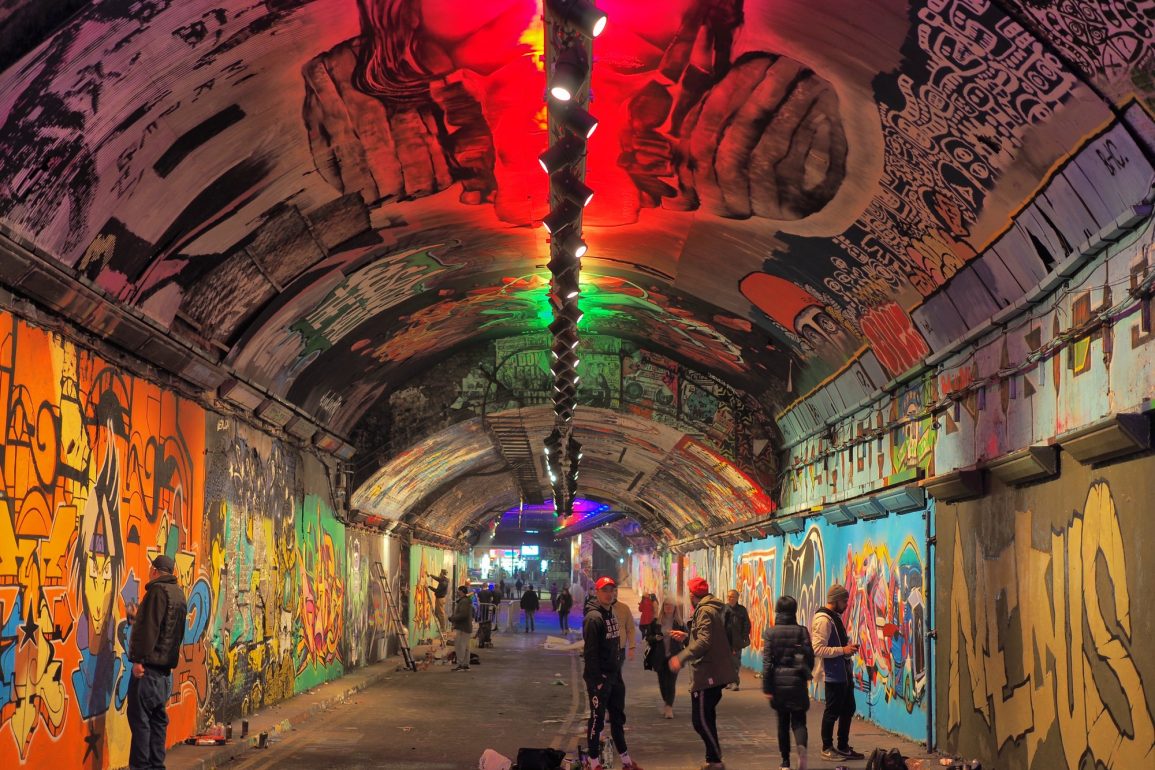
Some graffiti landmarks get framed, fenced, and turned into a postcard. Leake Street Tunnel, under London’s Waterloo Station, keeps getting painted — and then painted again before the last coat is even dry.
In its weekly image roundup published Sunday, Brooklyn Street Art went back into the passage eighteen years after Banksy and an international lineup of stencil artists took over a disused taxi route that once served Eurostar passengers. The tunnel’s second life started in May 2008 with the Cans Festival. A second edition that August opened the walls to freehand graffiti, and what London got was rare: a central, sheltered, officially tolerated space where writers and street artists could work in the same corridor.
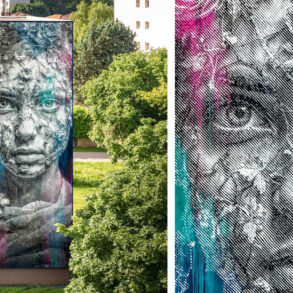
The city already had a deep graffiti history by then — New York hip-hop influence, a local train-writing culture, crews like the Chrome Angelz, and a growing East London street-art scene. Leake Street did not invent that tradition. It gave it a legal roof and a permanent address. Over the years the walls have carried work by Blek le Rat, Jef Aérosol, C215, Vhils, FAILE, and Sten & Lex, alongside writers such as SER, Shiz, Willis, and Shucks. The women-led Femme Fierce takeovers in 2014 and 2015 pulled still more international attention underground.
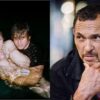
The tunnel’s other claim is that nothing lasts. In 2013, researcher Sabina Andron spent 100 days photographing ten sections of wall, documenting how pieces, tags, and cover-ups replaced one another in real time. Brooklyn Street Art compares the site to the former 5Pointz in Queens and Berlin’s RAW-Gelände: a reference point for visiting painters, a classroom for locals, and a magnet for cameras. During a recent London visit, the site’s photographers caught artists at work and met Ekto, a co-organizer of Southend City Jam, the Essex festival that gathers some 200 artists each year.
Commerce, as usual, followed the paint. A 2018 redevelopment of the adjoining railway arches brought in restaurants, bars, and a more managed cultural setting — along with a contradiction the original festival would have recognized. Cans Festival celebrated political satire. Today’s tunnel rules, Brooklyn Street Art notes, explicitly ban political messaging. In a November 20 piece for the South West Londoner, Leake Street artist-in-residence All-Seeing RA pushed back on that kind of cleanup: “Graffiti, at its core, is not about sanitation or access; it’s about getting up and causing a scene.”
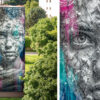
Even with the new neighbors, the basic law of the tunnel still holds. Letters, portraits, throw-ups, and tags climb the vaulted ceiling. Veterans work next to newcomers still hunting for a style. This week’s frames include Ablett, Abraham O, ASETS, Blek Le Rat, DOOMS, EKTO 1, Knuckledust, Kuba, MONDI, Mr. Doodle, Perspicere, RADZ, Sky High, STOCKE, TAKI 183, and TUBE. The exhibition goes up, and the exhibition comes down. That, more than any plaque, is what has kept Leake Street alive.