

There was a time when a DJ yelling “Gangsta Grillz” over a beat told you everything you needed to know. Something serious had arrived, it might never see daytime radio, and the streets were going to decide what happened next. That era did not vanish overnight. It got squeezed — by raids, by copyright law, and finally by the playlist.
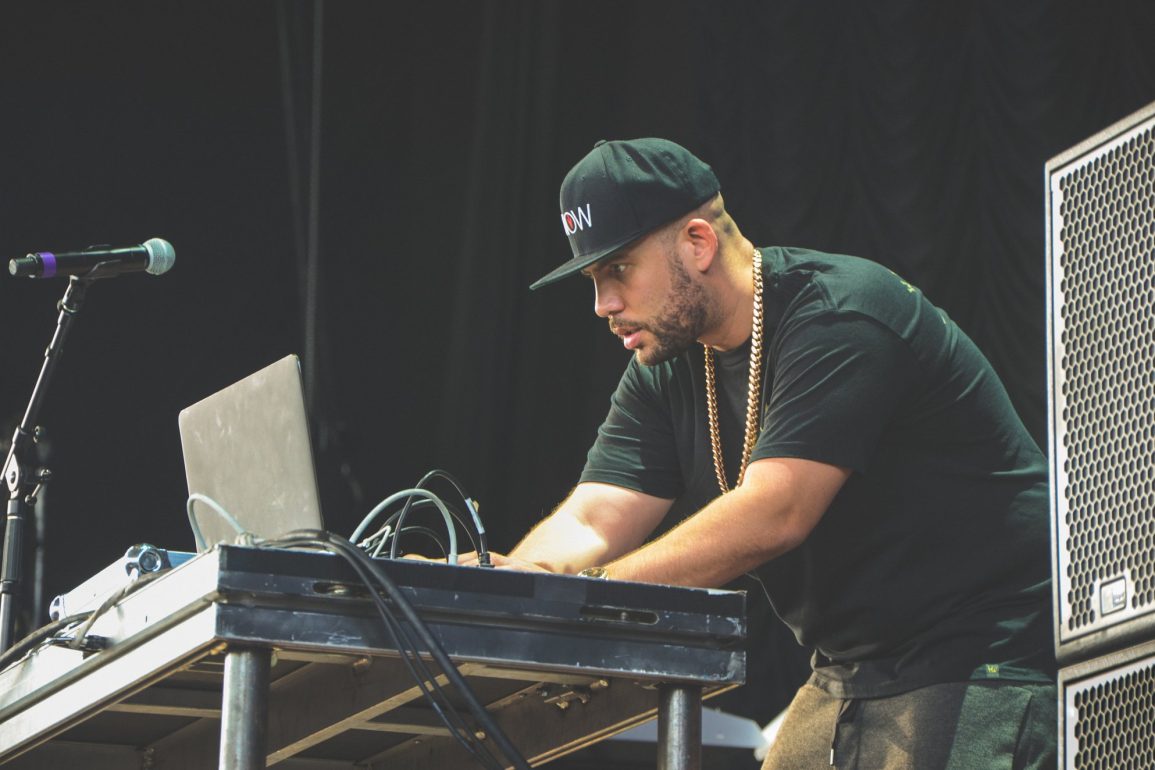
In a new look at that shift, published Saturday, Baller Alert traces how mixtape culture moved from trunk-sold CDs and ZIP files to a streaming economy that blurred the line between a tape and an album. Before the blogs and the apps, DJs such as DJ Clue, DJ Kay Slay, DJ Whoo Kid, and DJ Drama made exclusives feel like currency. A freestyle or an unreleased record could make a DJ’s project the hottest thing in the neighborhood. Drama’s Gangsta Grillz series pushed that model nationwide, helping Southern rap claim a bigger stage. Jeezy’s Trap or Die and Lil Wayne’s Dedication 2 were not just come-ups. They were career architecture, built in the DJ’s workshop.
The business always lived in a gray zone. In January 2007, authorities raided Drama’s Atlanta studio. Drama and DJ Don Cannon were arrested on allegations tied to bootlegging and racketeering; neither was ultimately prosecuted. The raid made a contradiction impossible to ignore. Labels loved the heat mixtapes created around their artists. They were far less comfortable when that heat traveled without a license.
Online platforms gave the culture a second life anyway. DatPiff, launched in 2005, became a digital headquarters, joined later by LiveMixtapes and Spinrilla. Gucci Mane flooded the street. Wayne chewed through other people’s instrumentals. Wiz Khalifa’s Kush & Orange Juice and Future’s run of tapes — including Monster, Beast Mode, and 56 Nights — proved an artist could give music away, build a following, and turn that following into tours, merch, and, eventually, a commercial payoff.
Streaming rewrote the incentive. Once Spotify and Apple Music could serve an entire catalog on demand, downloading a single tape felt less necessary, and artists could collect royalties on projects that used to ship for free. Drake’s 2015 commercial release If You’re Reading This It’s Too Late showed how fuzzy the old categories had become. “The blogs took over as far as being the sources for mixtapes, and now we have playlists,” Drama told GQ in 2021. Clearing samples and borrowed beats made it even harder to bring classic tapes onto the services in one piece. When Wayne’s No Ceilings hit streaming in August 2020, ten original tracks and skits were missing. Chance the Rapper’s Acid Rap arrived in 2019 without its original “Juice,” tripped up by sample clearance.
The sharpest warning signs came in 2023, when DatPiff suffered major disruptions and later partnered with the Internet Archive to help preserve its catalog, while Spinrilla was ordered to shut down after a $50 million copyright judgment involving major labels. Drama, speaking to Rolling Stone in 2021, put the change plainly: traditional mixtape culture “had to take a backseat to streaming and playlists.”
The spirit is not gone. Tyler, the Creator’s Grammy-winning Call Me If You Get Lost, narrated in Drama’s familiar voice, proved the format still has creative power. What faded is the independent ecosystem around it — the DJ as breaker of records, the underground artist going toe-to-toe with a star, the fan refreshing a site instead of trusting an algorithm. Convenience arrived. The rush of release day is what a lot of heads still miss.