


Hip hop has spent fifty years moving from Bronx block parties to every corner of the map. Now a coalition led by France, the Democratic Republic of the Congo, and the Republic of the Congo wants the United Nations to say out loud what the culture has already proved: this is heritage, not a trend.
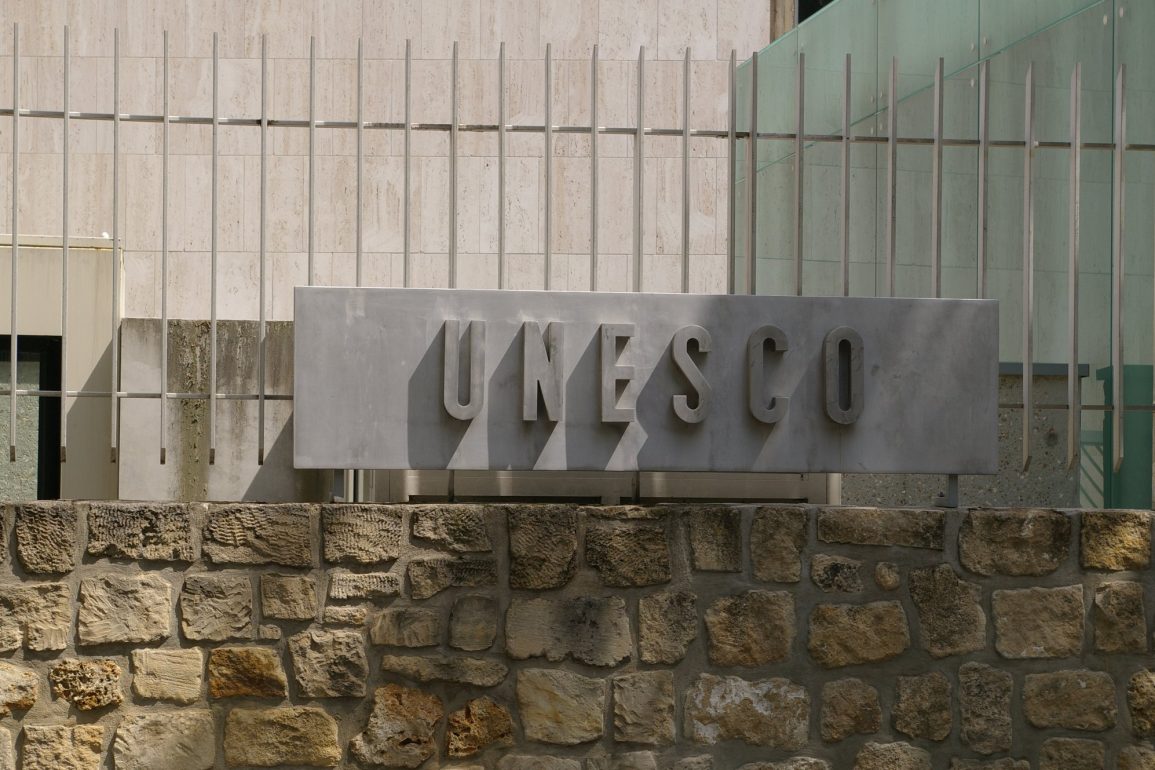
According to RFI, a charter launching the bid was signed last Monday at UNESCO headquarters in Paris, with artists from across the French-speaking world lending their names. Supporters hope hip hop can join Unesco’s Intangible Cultural Heritage list by 2028, alongside traditions already recognized there, including Jamaican reggae, Haitian compas, maloya from Réunion, and Congolese rumba, inscribed five years ago.
“If Congolese rumba has been recognized, then hip hop has to be recognized too,” Dreyfus Louyebo, the Congolese coordinator of the bid, told the French newspaper Le Parisien. The argument, he said, is scientific as much as cultural: both forms traveled the world and left a mark on other music and on style.
Alexandre Kirchhoff, head of Universal Music’s Capitol label in France and a liaison to the industry on the project, described hip hop as music that moves. “It left African countries and crossed the Atlantic. It has gone around the world several times. Every country now has its own hip hop,” he told RFI. In France alone, he pointed to a lineage stretching from Secteur Ä and Mafia K’1 Fry to 113 and Lacrim — already four generations, with the same depth visible in the United States, Germany, and diaspora communities worldwide.
The history is not in dispute. Hip hop took shape in the mid-1970s at neighborhood parties in the Bronx, with rap only one element beside dance, graffiti, and fashion. France became a second home in the early 1980s, helped by Radio Nova and the television program H.I.P H.O.P, hosted by DJ Sidney. MC Solaar, IAM, and NTM led a 1990s golden age, and by the 2010s rap had become the dominant force in French popular music, often in conversation with sounds from across Africa, especially the DRC.
French rapper Stomy Bugsy put the culture’s hybrid nature plainly. It can be Russian, Senegalese, Malian, Cape Verdean, Congolese, or Breton, he said, because it is not fixed in place. He also tied the MC’s role to the griot tradition of West Africa, where storytellers carry history and social critique in rhythm. “Back then, we didn’t have access to the media, institutions or a public voice. We told the stories of our neighborhoods, our difficulties, our dreams, our anger and our hopes. We were street journalists.”
The charter’s backers are heavy. Artists such as French-Congolese rapper Passi, French-Malian artist Mokobé, and French-Algerian rapper Lacrim have signed on, alongside Live Nation France chief Angelo Gopee, Because Music founder Emmanuel de Buretel, Skyrock boss Laurent Bouneau, and Sacem director general Cécile Rap-Veber. Deezer, Spotify, and Apple Music were represented at the signing, and Lyor Cohen, YouTube’s global head of music, has also backed the effort. The United States was involved in the bid, though it is scheduled to leave UNESCO on December 31 following a decision by President Donald Trump.
Kirchhoff said the goal is not to freeze rap in a museum. Live performance and passing the culture forward matter more than a plaque. “We’re really here to make sure our great-grandchildren remember this music.” A charter is only the first step in a long Unesco process. For a culture built on continuity, that is the right kind of fight.